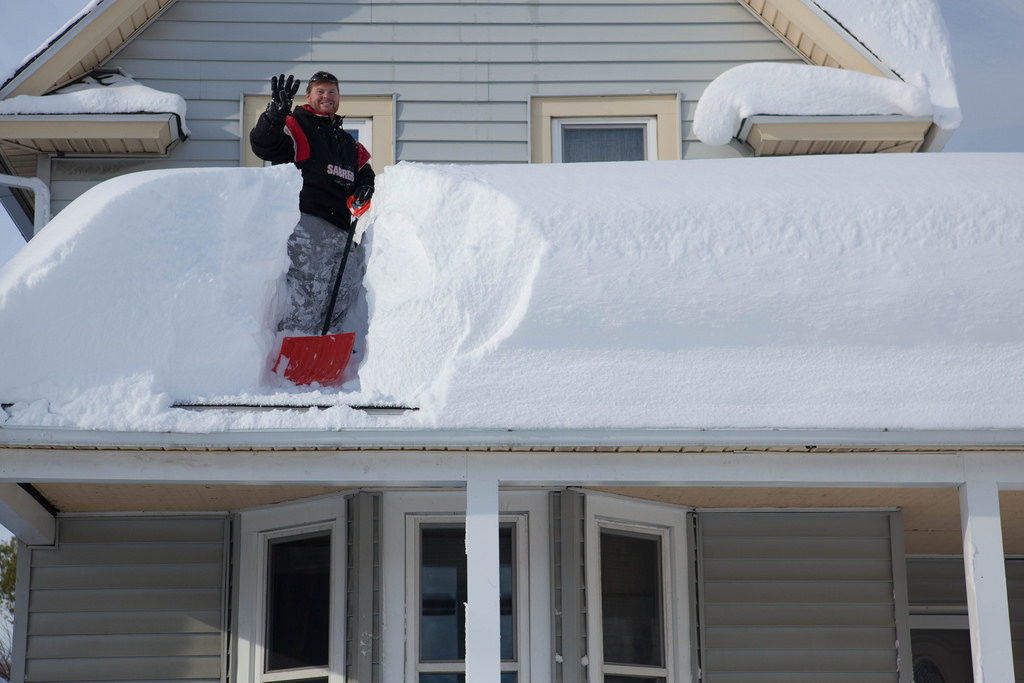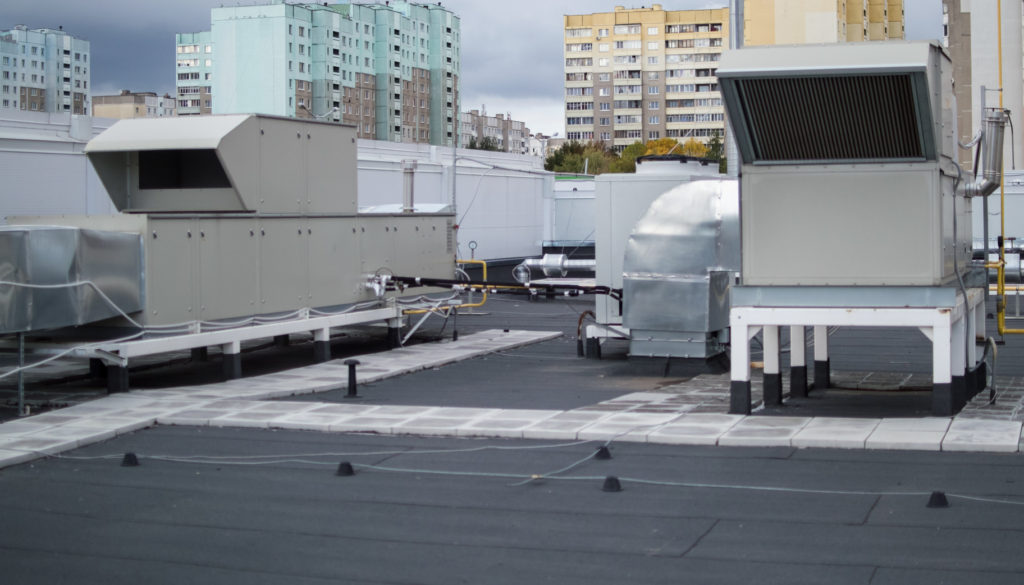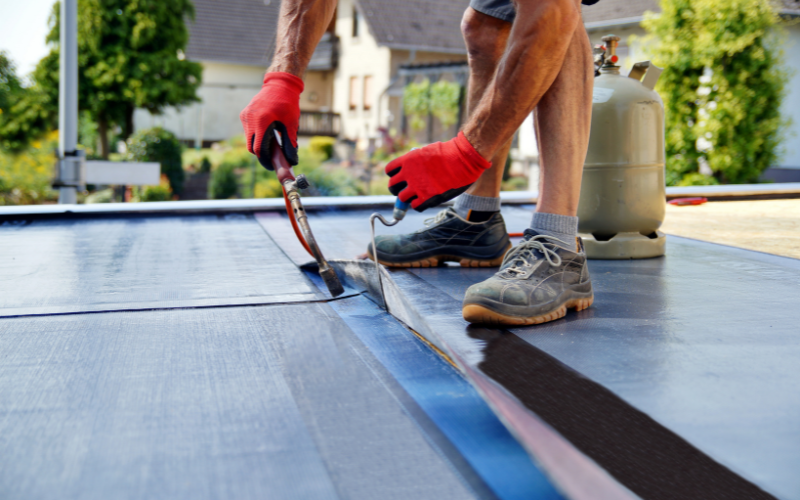

Commercial properties require regular maintenance to ensure the building remains in good condition and to prevent costly repairs. Despite its importance, routine upkeep is often overlooked by businesses and property owners. Common reasons include busy schedules, perceived high costs relative to immediate benefits, or simply not noticing any issues. This last reason is particularly common when it comes to roofs, out of sight often means out of mind.
Taking a proactive approach to roof maintenance is essential. A well-maintained roofing system protects the building from water leaks, wind, and other damaging elements. Commercial roofs are complex systems with multiple components, and damage to any part can result in significant interior problems. Flat roofs, in particular, endure constant stress. Sun, wind, tree limbs, animals, rain, ice, and debris all take a toll over time. In addition, human activities such as well-intentioned service technicians or tenants, can inadvertently damage the roof membrane.
Because of the wide range of factors that can compromise a roof’s integrity, it’s recommended that commercial roofs be inspected and maintained at least twice a year.
In this article, we will outline what to look for when inspecting your commercial roof for signs of damage. We will also detail the steps professional roofing companies, like Reliable Roofing, take to provide thorough inspections and preventative maintenance services.
Main Signs of Damage to Commercial Roofing
The roof of your commercial building is constantly exposed to the elements including rain, wind, hail, snow, ice, and direct sunlight, as well as potential damage from animals. Each of these factors contributes to normal wear and tear and can sometimes cause serious damage if left unaddressed.
To protect your building, it’s important to inspect your roof at least twice a year, once in the spring and once in the fall, to check for signs of damage and monitor general wear. If you identify any potential issues, it’s best to contact professional roofing experts who can perform a thorough inspection and accurately diagnose the problem.
Here are the key signs of damage to watch for on your commercial roof:
1. Flashing Damage
Flashing is the material that protects vertical roof elements, such as pipes, HVAC curbs, and parapet walls. Proper flashing is essential to prevent leaks and water intrusion. When flashing is worn, damaged, or missing, the building becomes vulnerable to leaks, which can cause extensive water damage.
During inspections, check flashing for cracks, open seams, holes, and general wear. Ensure it is properly secured and in the correct position. Any issues with flashing should be addressed promptly by a professional roofer.
2. Seams
Flat roofs are typically covered with a membrane, which has seams where sections meet. These seams are particularly vulnerable to harsh weather, sunlight, and accidental damage. Checking seams for water tightness is critical.
Professionals use a tool called a seam probe to test for weak points. Any weak or open seams should be repaired immediately to prevent water infiltration.
3. Drains, Gutters, and Pooling Water
Unlike residential roofs, most commercial roofs are flat, making them prone to water pooling. Flat roofs rely on a drainage system to remove water, which requires regular maintenance.
Clogged or malfunctioning drains can lead to standing water, which damages seams, flashings, and the membrane itself. Drainage issues can range from simple blockages, like leaves in drains, to more complex problems, such as damaged drain bowls that need re-flashing. A properly functioning drainage system is essential to prolonging the life of your roof and protecting your building.
4. Holes or Rips in the Roof
Commercial roofs experience more foot traffic than residential roofs due to equipment maintenance and other activities. Combined with weather, animals, and debris, this traffic can create holes or tears in the membrane.
Inspect your roof for any rips or punctures, as even small holes can compromise the roof’s integrity and lead to further damage. Address these issues immediately with professional repairs.
5. General Deterioration
Look for signs of general wear and tear, including discoloration, cracking, blistering, or bubbling of the membrane. While these issues may not pose an immediate threat, they indicate aging materials and a roof that is becoming more susceptible to damage. Regular monitoring can help identify problems early and extend the roof’s lifespan.
6. Signs of Water Damage
Water damage may be visible inside the building if the roof has any vulnerabilities. Check for wet spots or stains on ceilings and walls, leaking window headers, foundation cracks, active drips, mold or mildew, and musty odors.
If any of these signs are present, the roof may be allowing water to penetrate, and a professional inspection is necessary to prevent further structural or interior damage.
7. Sagging or Uneven Roof Deck
A roof that appears to sag, dip, or feel soft underfoot may indicate structural issues, water damage, or excessive weight. Sagging areas are a serious concern and should be inspected immediately to prevent potential collapse or further damage.
8. Mold or Moss Growth
Green, black, or white growth on the roof surface or around roof edges can trap moisture against the roof, degrade materials, and accelerate deterioration. While often cosmetic at first, unchecked mold or moss can lead to leaks and structural damage over time.
9. Debris Accumulation
Leaves, branches, dirt, and other debris can collect on the roof or in drains. Debris can block drainage, increase water pooling, and accelerate wear on roofing materials. Regular removal is essential to maintain a healthy roof.
10. Worn or Deteriorated Coatings
Roof coatings protect against UV damage and water infiltration. Fading, peeling, or cracking of these coatings leaves the roof more vulnerable to environmental damage. Inspect coatings regularly and reapply or repair as needed to extend the roof’s lifespan.
Professional Commercial Roof Maintenance from Reliable Roofing

If you notice any of the signs listed above during your roof inspection, it’s important to contact the professionals at Reliable Roofing. Our team can perform a thorough assessment to identify any hidden or significant damage that requires immediate attention.
Our seasonal commercial roof inspection and maintenance services include the following steps:
1. Full Inspection
Our technicians perform a comprehensive roof inspection to identify visible and hidden issues (e.g., leaks, weak points, membrane wear). We then provide a detailed list of the problems found, tailored to your roof type, so you know what exactly needs attention.
2. Routine Repairs.
- Minor repairs to the roof system such as caulking, minor seam repairs, patches, or applying roof repair compound.
- Removal of debris from roof downspouts and gutters, such as leaves, small branches, dirt, or rocks.
- Removal of debris from drains or gutters.
- Sealing connections or topping off or filling of pitch pans with the appropriate water proofing compound.
- Re-welding open seams.
- Tightening loose mechanical clamps.
3. Repair & Replacement Cost Analysis
After the inspection, we produce a report that outlines repair costs for each identified defect. This gives you a clear breakdown of options, timelines, and budget considerations so you can make informed decisions.
4. Inspection Report with Photos.
The report shows work done, highlighting problem areas found and creates a maintenance record for your roof. If we recommend additional repairs or replacements, we will provide a proposal and budget for those additional services.
5. Grading and useful life estimate
We grade your roof and give an estimate of the useful life left before replacement. This helps our customers budget for the future.
6. Manufacturer Warranty Compliance & Documentation
Reliable Roofing ensures that your roof maintenance meets manufacturer warranty requirements. If your flat roof is still under warranty, most manufacturers require semi-annual inspections and upkeep. We maintain detailed records of all inspections, repairs, and visits. This documentation supports warranty claims and creates a history of maintenance and repairs on your roof.
7. Return on Investment
Proactive maintenance significantly extends a roof’s lifespan and helps you save money over the long run. By protecting the manufacturer’s warranty, reducing unexpected repairs, and delaying full replacement, you can maximize the value of your investment.
Protect Your Investment with Reliable Roofing
Maintaining your commercial roof is essential to safeguarding your building, preventing costly repairs, and extending the life of your roofing system. Ignoring warning signs or delaying maintenance can lead to serious structural damage, water intrusion, and expensive replacements.
At Reliable Roofing, our team of experienced professionals provides comprehensive commercial roof inspection, repair, and maintenance services designed to keep your roof in optimal condition year-round. From identifying hidden damage and performing essential repairs to creating a customized maintenance plan that protects your warranty and maximizes ROI, we handle every aspect of your roof’s care.
Don’t wait until a small issue becomes a major problem. Call Reliable Roofing at (815) 981-9898 to schedule your commercial roof inspection and maintenance service, and ensure your building remains safe, secure, and protected for years to come.